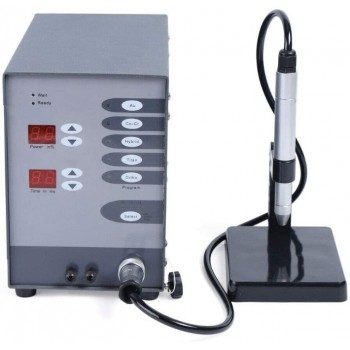

Induction Melting Furnaces
What Is It?
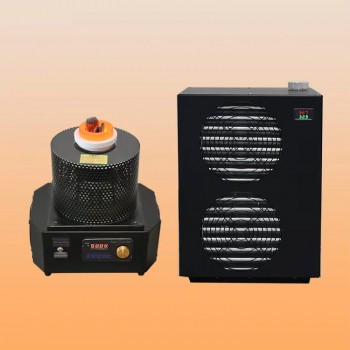
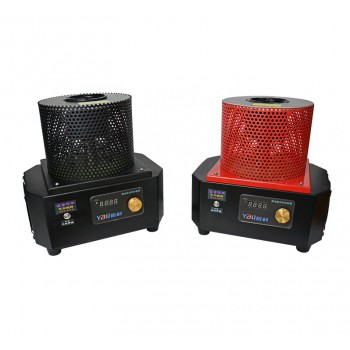
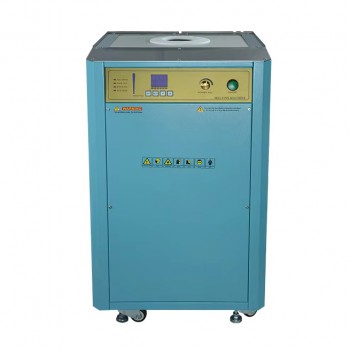
An induction melting furnace is a type of equipment that heats and melts metal using electromagnetic induction. It is commonly applied in jewelry making, metal casting, laboratory research, and industrial alloy processing. Such furnace operates without direct contact between flame and metal, using alternating current to produce a magnetic field that heats the metal through electrical resistance. They are designed for jewelry studios and educational setups, while larger versions support production-scale applications involving gold, silver, copper, and steel.
Working Principle and Heating Process
The core working principle of a mini induction furnace is electromagnetic induction. When alternating current flows through the induction coil, it creates a magnetic field. This field generates eddy currents within the metal placed inside the crucible, causing internal heating until the metal reaches its melting temperature. The process supports controlled melting by adjusting frequency and power levels.
Structure and Components
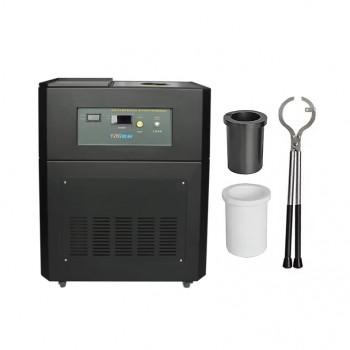
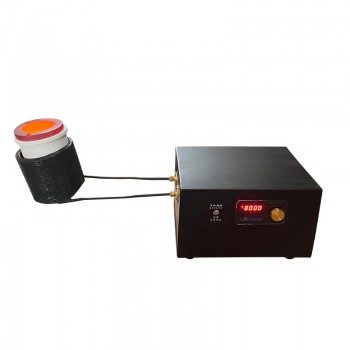
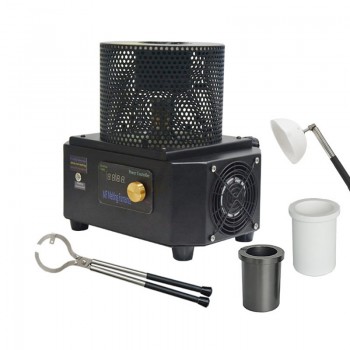
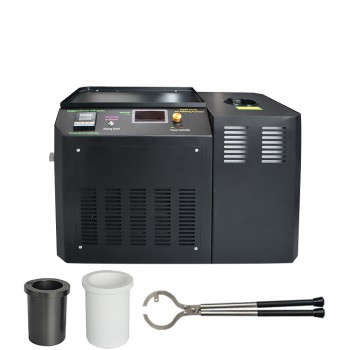
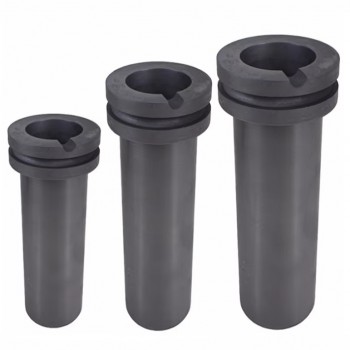
A typical gold induction melter includes an induction coil, power supply unit, crucible, and cooling system. The coil is usually made from copper tubing that carries electrical current. The crucible—made of graphite, ceramic, or clay graphite—holds the metal being melted. The cooling system prevents overheating of the coil and surrounding components. A control interface helps monitor temperature and power parameters throughout the melting cycle. Small gold melting furnace models often feature a compact design for easier operation and transport.
How to Choose The Proper One?
When selecting an medium frequency induction furnace, it is important to consider the type of metal, melting capacity, frequency range, and available workspace. It is suitable for jewelry workshops or laboratories handling limited metal quantities. For processing both precious and base metals, such as gold, silver, copper, or steel, choosing a melting furnace that supports variable power output can improve process adaptability. Reviewing technical data—such as maximum temperature, crucible size, and cooling requirements—before purchase helps match the furnace with practical usage needs.
Purchase and Operation Considerations
Before buying a small gold induction smelter, users may review product specifications provided by the manufacturer. Important factors include power input, melting speed, and material compatibility. The workspace should have proper ventilation and electrical grounding. During operation, the crucible should be preheated gradually, and metals should be introduced carefully to prevent splashing. The furnace should be used according to recommended temperature limits to maintain equipment integrity and reduce wear on components.
Application Range
Mini mf induction melting furnaces are applied in jewelry production, metal refining, laboratory experiments, and prototype manufacturing. They support melting of gold, silver, copper, aluminum, and steel alloys. They are also used in academic training environments for demonstrations or small-scale production. Their design supports repeated heating cycles with controllable melting speed and energy input.
Maintenance and Handling
Proper maintenance supports the lifespan of an mf induction melting furnace. Regular inspection of power cables, cooling lines, and crucibles helps detect wear or oxidation. Cleaning the crucible after each cycle and avoiding rapid temperature changes contributes to stable performance. The furnace should be stored in a clean and dry area when not in use. Periodic calibration of temperature sensors and control interfaces can help maintain accurate melting performance.