Login
Sign Up
Jewelerstoolsmall.com@gmail.com
Favorite
Login
Cart
Jewelry Casting Equipment
Graphite Crucibles
Ceramic Crucibles
Wax Injection Machine
Jewelry Casting Machine
Vacuum Casting Machine
Jewelry Casting Vacuum Pump
Jewelry Casting Tongs
Graphite Ingot Molds
Jewelry Investment Mixer
Jewelry Investment Powder
Jewelry Casting Wax
Jewelry Casting Flasks
Water Cooling Machine
Jewelry Vulcanizer
Jewelry Vacuum Mixer
Jewelry Burnout Oven
Metal Melting Furnace
Small Melting Furnace
Propane Melting Furnace
Platinum Melting Furnace
Induction Melting Furnaces
Soldering & Plating Equipment
Jewelry Spot Welder
Jewelry Welding Torch
Jewelry Wax Welder
Jewelry Plating Machine
Jewelry Laser Welder
Jewelry Welding Fixtures
Welding Wax Pen
Jewelry Welding Handle
Spot Welding Needle
Jewelry Magnetic Heating Mixer
Engravers and Setting Tools
Laser Engraving Machine
Pearl Drilling Machine
Jewelry Engraving Machine
Ring Engraving Machine
Diamond Faceting Machine
Jewelery Lathe Machine
Lapidary Cabbing Machine
Engraving Ball Vise
Jewelry Cutting Machine
Micro Air Die Grinder
Jewelry Carving Tools
Jewelry Seting Tools
Jewelry Drill Press
Wire Drawing & Rolling Mills
Jewelry Rolling Mill Machine
Wire Drawing Machine
Jewelry Wire Draw Plates
Measuring & Weighing
Jewelry Scales & Balances
Jewelry Calipers & Gauges
Magnifying & Opticals
Jewelry Microscopes
Jewelry Loupes & Magnifiers
Jewelers Magnifying Lamp
Diamond Inscription Loupe
Testing & Identification
Chelsea Filter
Gem Refractometer
Calcite Dichroscope
Gem Polariscope
Gemstone Spectroscopes
Precious Metal Analyzer
Gemstone Testing Kit
Diamond Proportion Scope
UV Fluorescent lamp
Gemstone Hardness Tester
Diamond & Moissanite Tester
Gold Testing Stone
Diamond Sieves for Jewelry
Gem Identification Light
Fiber Optic Light
Diamond Grading Lamps
Gemstone Testing Torch
Jewelry Micro Motor
Jewelry Polishing Machine
Jewelry Faceting Machine
Flexible Shaft Grinders
Flex Shaft Motor
Flex Shaft Accessories
Jewelry Rotary Tumbler
Jewelry Magnetic Tumbler
Jewelry Vibratory Tumbler
Jewelry Tumbling Media
Jewelry Sandblaster
Jewelry Buffer Polisher
Bead Polishing Machine
Jewelry Polishing Wax
Flame Polishing Machine
Jewelry Electropolishing Machine
Metal Polishing Wax
Polishing Buffing Wheels
Jewelry Cleaning Machine
Ultrasonic Cleaner
Jewelry Steam Cleaner
Jewelry Air Compressor
Jewelry Dust Collector
Ring & Bracelet Tools
Bangle Forming Machine
Ring Stretcher
Bracelet Enlarger
Ring Bending Tools
Jump Ring Maker
Ring Holder
Ring Measuring Tools
Metal Ring Sizer
Bracelet Measuring Tools
Plastic Bracelet Gauge
Bangle Making Tools
Jewelry Making Mandrels
Ring Measuring Stick
Bracelet Mandrels
Wire Wrapping Mandrels
Mandrel Holders
Jeweler's Workbench
Jewelry Burs & Drills
Jewelry Diamond Burs
Jewelry Bur Stands
Jewelry Grinding Head
Jewelry Hand Making Tools
Jewelry Saw Blades
Jewelry Beading Tools
Polishing Brushes & Wheels
Jewelry Pliers & Cutters
Jewelry Tweezers
Jewelry Making Files
Jewelry Hammer
Jewelry Burnisher
Jewelry Metal Forming Tools
Jewellers Dapping Block
Stone Setting Tools
Jewelry Making Supplies Kit
Grinding Wheel Dressers
Gemstone Scoop
Hand Crank Drill
0 item(s) - $0.00
Hot Categories
Jewelry Casting Equipment
Graphite Crucibles
Ceramic Crucibles
Wax Injection Machine
Jewelry Casting Machine
Vacuum Casting Machine
Jewelry Casting Vacuum Pump
Jewelry Casting Tongs
Graphite Ingot Molds
Jewelry Investment Mixer
Jewelry Investment Powder
Jewelry Casting Wax
Jewelry Casting Flasks
Water Cooling Machine
Jewelry Vulcanizer
Jewelry Vacuum Mixer
Jewelry Burnout Oven
Metal Melting Furnace
Small Melting Furnace
Propane Melting Furnace
Platinum Melting Furnace
Induction Melting Furnaces
Soldering & Plating Equipment
Jewelry Spot Welder
Jewelry Welding Torch
Jewelry Wax Welder
Jewelry Plating Machine
Jewelry Laser Welder
Jewelry Welding Fixtures
Welding Wax Pen
Jewelry Welding Handle
Spot Welding Needle
Jewelry Magnetic Heating Mixer
Engravers and Setting Tools
Laser Engraving Machine
Pearl Drilling Machine
Jewelry Engraving Machine
Ring Engraving Machine
Diamond Faceting Machine
Jewelery Lathe Machine
Lapidary Cabbing Machine
Engraving Ball Vise
Jewelry Cutting Machine
Micro Air Die Grinder
Jewelry Carving Tools
Jewelry Seting Tools
Jewelry Drill Press
Wire Drawing & Rolling Mills
Jewelry Rolling Mill Machine
Wire Drawing Machine
Jewelry Wire Draw Plates
Measuring & Weighing
Jewelry Scales & Balances
Jewelry Calipers & Gauges
Magnifying & Opticals
Jewelry Microscopes
Jewelry Loupes & Magnifiers
Jewelers Magnifying Lamp
Diamond Inscription Loupe
Testing & Identification
Chelsea Filter
Gem Refractometer
Calcite Dichroscope
Gem Polariscope
Gemstone Spectroscopes
Precious Metal Analyzer
Gemstone Testing Kit
Diamond Proportion Scope
UV Fluorescent lamp
Gemstone Hardness Tester
Diamond & Moissanite Tester
Gold Testing Stone
Diamond Sieves for Jewelry
Gem Identification Light
Fiber Optic Light
Diamond Grading Lamps
Gemstone Testing Torch
Jewelry Micro Motor
Jewelry Polishing Machine
Jewelry Faceting Machine
Flexible Shaft Grinders
Flex Shaft Motor
Flex Shaft Accessories
Jewelry Rotary Tumbler
Jewelry Magnetic Tumbler
Jewelry Vibratory Tumbler
Jewelry Tumbling Media
Jewelry Sandblaster
Jewelry Buffer Polisher
Bead Polishing Machine
Jewelry Polishing Wax
Flame Polishing Machine
Jewelry Electropolishing Machine
Metal Polishing Wax
Polishing Buffing Wheels
Jewelry Cleaning Machine
Ultrasonic Cleaner
Jewelry Steam Cleaner
Jewelry Air Compressor
Jewelry Dust Collector
Ring & Bracelet Tools
Bangle Forming Machine
Ring Stretcher
Bracelet Enlarger
Ring Bending Tools
Jump Ring Maker
Ring Holder
Ring Measuring Tools
Metal Ring Sizer
Bracelet Measuring Tools
Plastic Bracelet Gauge
Bangle Making Tools
Jewelry Making Mandrels
Ring Measuring Stick
Bracelet Mandrels
Wire Wrapping Mandrels
Mandrel Holders
Jeweler's Workbench
Jewelry Burs & Drills
Jewelry Diamond Burs
Jewelry Bur Stands
Jewelry Grinding Head
Jewelry Hand Making Tools
Jewelry Saw Blades
Jewelry Beading Tools
Polishing Brushes & Wheels
Jewelry Pliers & Cutters
Jewelry Tweezers
Jewelry Making Files
Jewelry Hammer
Jewelry Burnisher
Jewelry Metal Forming Tools
Jewellers Dapping Block
Stone Setting Tools
Jewelry Making Supplies Kit
Grinding Wheel Dressers
Gemstone Scoop
Hand Crank Drill
Payment Methods
Shipping Policy
Return Policy
Tracking Order
Contact Us
Home
»
Metal Melting Furnace
»
Platinum Melting Furnace
Home
»
Metal Melting Furnace
»
Platinum Melting Furnace
Metal Melting Furnace
Small Melting Furnace
Propane Melting Furnace
Platinum Melting Furnace
Induction Melting Furnaces
Top Sellers
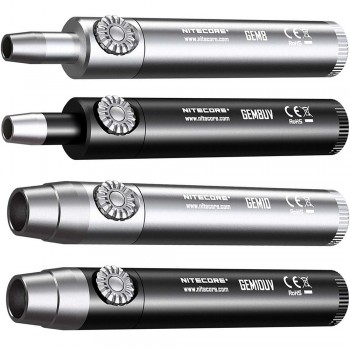
Nitecore GEM8/GEM10UV Professional Gemstone Identification Flashlight with Ultraviolet LED Adjustable Brightness
$63.91
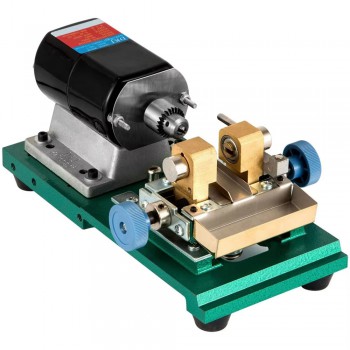
15000RPM Jewelry Drilling Machine Pearl Hole Drilling Shell Coral Amber Drill Holes
$169.00
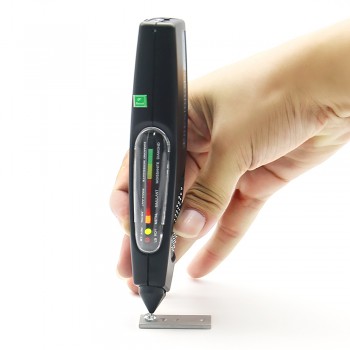
Presidium Multi Tester III PMUT III Diamond Moissanite Tester Pen Identification Tool
$499.00
180W Automatic Gem Faceting Machine for Gemstone Lapidary Grinding Polishing Cutting 3000RPM
$475.00
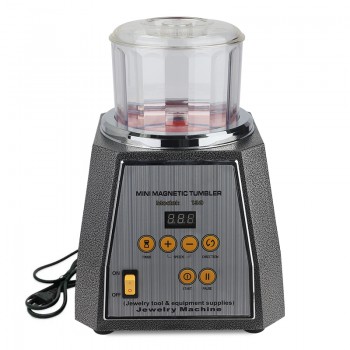
KT-130 Jewelry Magnetic Polishing Tumbler Jewelry Polisher Finishing Machine Jewelry Surface Polishing Grinding Cleaning
$299.00
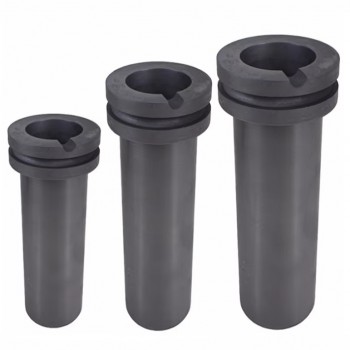
1Pcs 1KG / 2KG / 3KG Gold Melting Furnace Crucible Gold Melter Crucible Graphite Crucible
$45.00
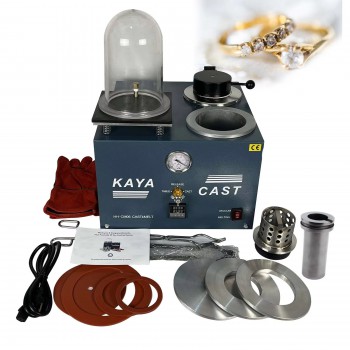
2L Small Digital Gold Melting Furnace Jewelry Vacuum Casting Machine with 3 CFM Pump
$1049.00
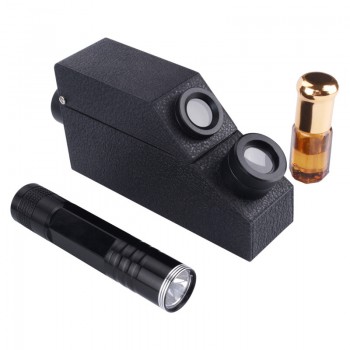
Gemstone Refractometer with LED Light for Gem Identification
$108.00
Electric Wax Welder for Jewelry Soldering and Welding with Adjustable Temperature
$103.00
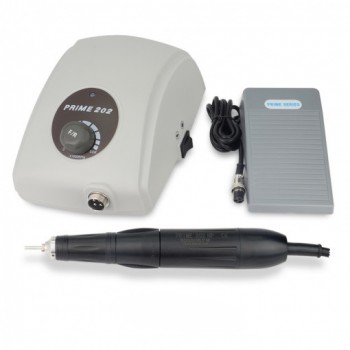
PRIME 202 Brushless Polishing Micro Motor For Jewelry Jade Wood Stone Paraffn Polishing Carving 50000RPM Handpiece
$310.00
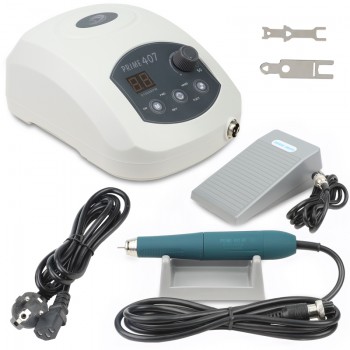
PRIME 407 Electric Micro Motor 50k RPM Handpiece For Jewelry Wood Lab Polishing Engraving
$619.00
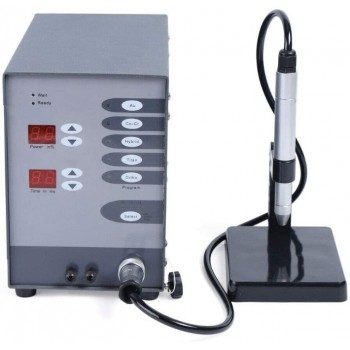
Automatic Jewelry Spot Welder Pulse Argon Arc Welding Machine Jewelry Welder for Jewellers Making Repair Tool
$455.00
Jewelry News
29 Sep 2025 03:09:51
Notice on 2026 China National Day
Platinum Melting Furnace
16
25
50
75
All
Sort By:
Latest Product
Price ASC
Price DESC
List
Grid
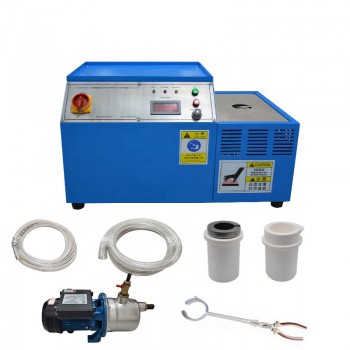
1KG Induction Smelting Furnace to Smelt Platinum Gold, Silver Jewelry Making Machine
$1999.00
1
Showing 1 to 1 of 1 (1 Pages)