

Gemstone Spectroscopes
What Is It?
A gem spectrometer is an optical instrument used to examine how gemstones absorb and transmit light. It supports identification and treatment detection by analyzing absorption spectra. This device separates visible light into individual wavelengths, allowing observation of characteristic absorption lines linked to specific elements or impurities. It is considered an essential analytical tool in professional gemstone identification and is commonly used in laboratories, jewelry studios, and teaching environments.
Working Principle and Function
It functions by directing white light through a gemstone and dispersing that light into spectral components using a prism or diffraction grating. Each stone absorbs particular wavelengths depending on its chemical composition and internal structure. These absorbed wavelengths appear as dark lines or bands within the visible spectrum. By comparing these patterns, a gemologist can identify the material or recognize treatments such as dyeing or heat enhancement. This method reveals optical features that are not visible to the naked eye, supporting accurate classification and quality assessment.
Structure and Characteristics
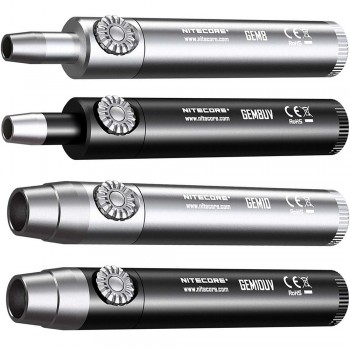
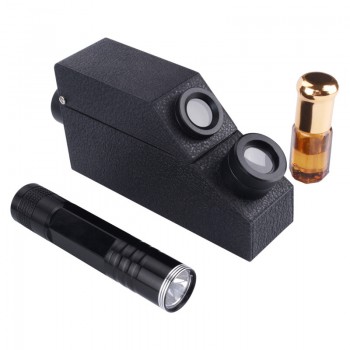
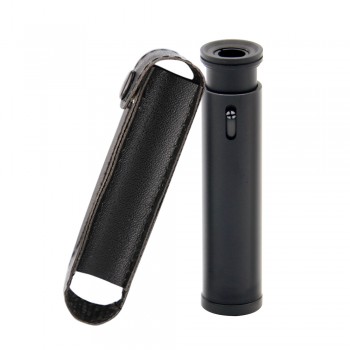
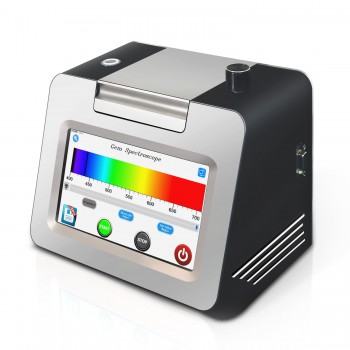
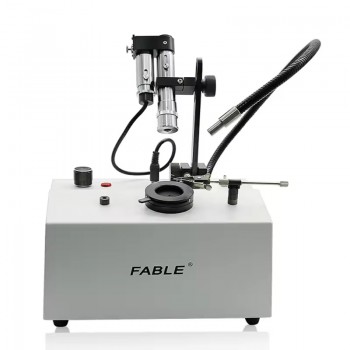
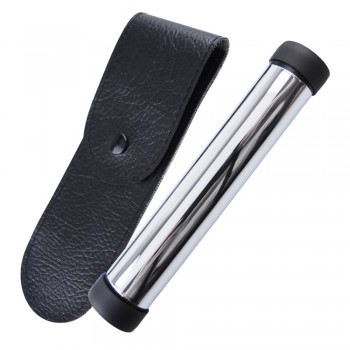
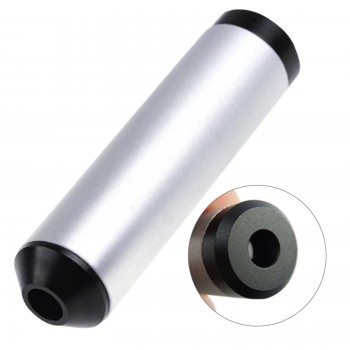
A typical unit consists of a viewing tube, an entrance slit, a dispersive element, and a focusing system. Light enters through the slit and is separated into a visible spectrum that can be observed through an eyepiece. Some models are handheld and suitable for rapid inspection, while others are benchtop instruments designed for laboratory work. Portable versions often feature adjustable focus and external light sources, whereas digital designs use sensors to capture and display spectral data on a screen. Its optical layout supports clear separation of color bands across the visible range of roughly 400–700 nanometers.
What should you consider when buying one?
When choosing one, important factors include spectral resolution, lighting method, portability, and intended use. For workshop or field applications, a compact option allows quick visual checks. For teaching or laboratory analysis, models with stable mounting and precise focus adjustment offer better control during detailed observation. It is also useful to confirm whether a built-in light source is included. Additional accessories, such as gemstone holders or fiber-optic attachments, can improve examination of small or transparent samples.
Purchase and Operation Considerations
Before purchasing, users should review specifications related to optical components, wavelength coverage, and supplied accessories. During operation, the gemstone is illuminated with a clean white light positioned behind or beneath the stone. The observer looks through the eyepiece and adjusts focus to view absorption lines clearly. Transparent materials are examined using transmitted light, while opaque ones are checked under reflected illumination.
Application Areas
It is widely applied in gemstone identification, quality evaluation, and education. It helps distinguish natural, synthetic, and treated materials by revealing absorption features unique to specific minerals. Professionals commonly use it to examine stones such as ruby, sapphire, emerald, garnet, and spinel. In jewelry production, it supports material verification before cutting or setting. Research laboratories also rely on it to study light interaction in mineral specimens, contributing to optical and gemological research.