
Diamond Faceting Machine
Guide on How to Choose Diamond Faceting Machine
What Is a Diamond Faceting Machine?
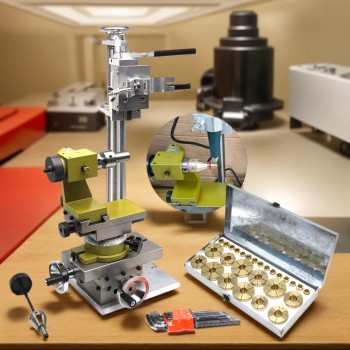
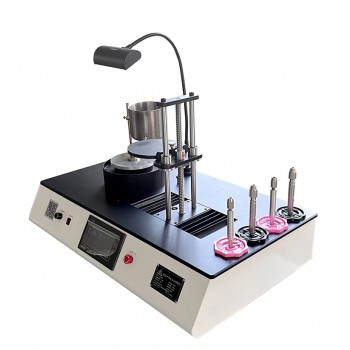
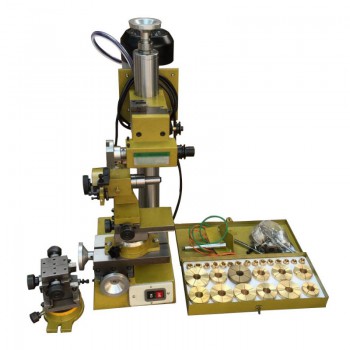
A diamond faceting machine is a precision instrument used to cut and polish facets on a diamond or other gemstones, transforming rough stones into symmetrical, light-reflective pieces. The equipment allows precise control of angles, rotation, and pressure during the cutting process. In the jewelry industry, a diamond cut faceting machine plays an important role in shaping gemstones into standard cuts such as brilliant, princess, or emerald shapes. Different models of diamond faceting equipment are available for professional gemstone cutting, jewelry design workshops, and educational use.
Working Principle and Function
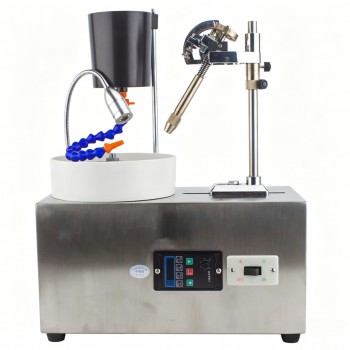
The diamond faceting machine operates through controlled positioning of the gemstone on a dop stick that is mounted to an angle-adjustable head. The stone is pressed against a rotating lap or polishing disc coated with diamond powder or other abrasives. By adjusting the angle, index, and height, the operator can cut precise facets in specific orientations. The process involves multiple cutting and polishing stages, each targeting certain parts of the stone to produce the final geometric pattern. The diamond cut faceting machine supports accurate control over depth and angle, which helps achieve the desired symmetry and reflection.
Structure and Characteristics
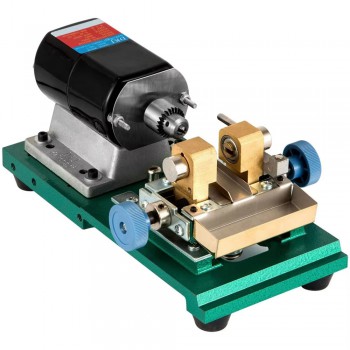
A typical diamond faceting equipment setup includes a base unit with a motorized lap wheel, an adjustable mast, an index gear, and a handpiece for holding the stone. The lap disc is often interchangeable, allowing different grit levels for rough cutting and final polishing. Some machines include digital angle displays or mechanical scales for improved alignment during faceting. Compact benchtop models are designed for small studios, while larger versions may include cooling systems to reduce frictional heat when processing hard materials such as diamonds.
How to Choose the Right Diamond Faceting Machine?
When choosing a diamond faceting machine, several aspects should be considered, including precision requirements, type of gemstones to be processed, available space, and budget. For small workshops, compact and manually adjustable machines may provide sufficient control. For professional gemstone cutting, models with calibrated angle settings and index control can support more detailed work. It is recommended to review specifications such as motor speed, lap size, and compatibility with accessories like dop sticks and polishing laps. Checking the availability of replacement parts and user instructions also helps in selecting suitable equipment.
Purchase and Operation Considerations
Before purchasing, users should evaluate the power supply, safety features, and workspace conditions. During operation, the stone should be mounted securely using adhesive wax or epoxy. Each facet should be cut gradually with consistent contact against the lap to prevent overcutting. Water or coolant can be applied to reduce friction and remove debris. The cutting angle and pressure should be adjusted carefully to match the hardness of the gemstone. Using appropriate polishing compounds supports smooth surface finishing after initial faceting.
Application Areas
The diamond cut faceting machine is used in gemstone cutting, jewelry manufacturing, and gemological training. It supports processing of diamonds, sapphires, rubies, and other hard minerals. In jewelry design studios, it is applied to produce precise cuts for custom jewelry pieces. Educational programs and gemology institutions use diamond faceting equipment to teach students about gemstone symmetry and optical performance. Beyond jewelry, these machines are also applied in material research where fine surface geometry is required.