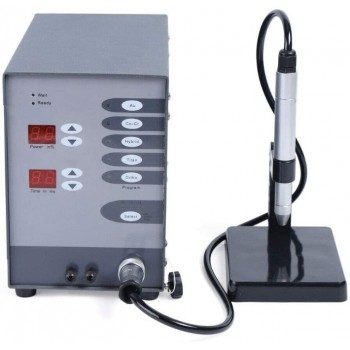

Jewelry Rotary Tumbler
Guide on How to Choose Jewelry Rotary Tumbler
What Is a Jewelry Rotary Tumbler?
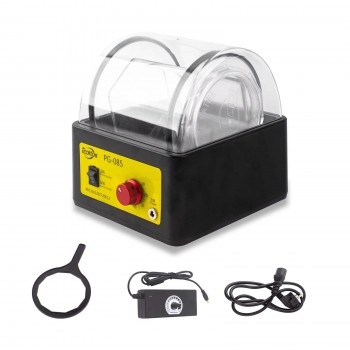
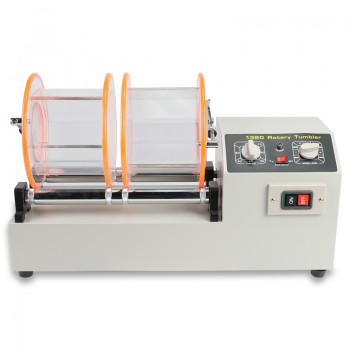
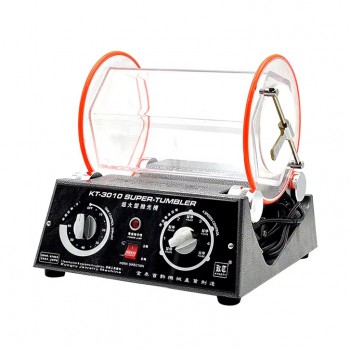
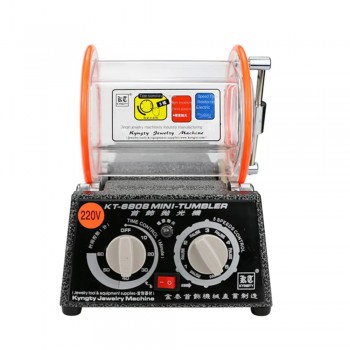
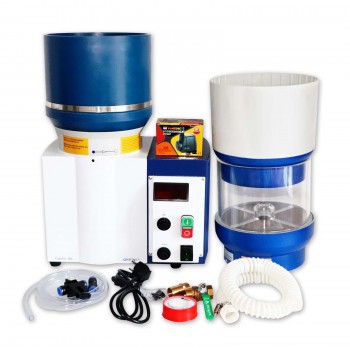
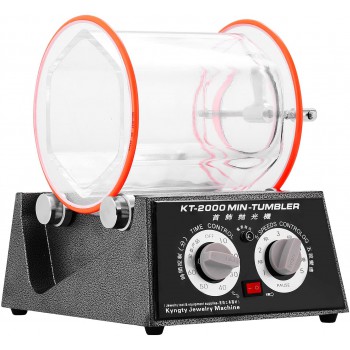
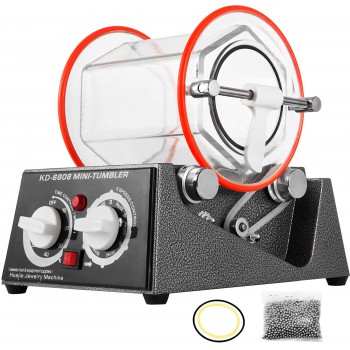
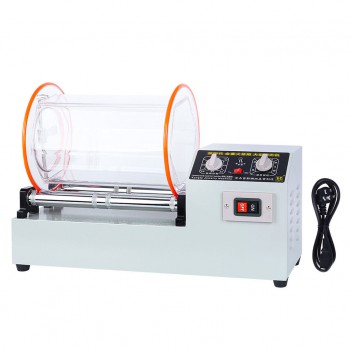
A Jewelry Rotary Tumbler is a bench machine that uses a rotating drum and abrasive or steel media to deburr, burnish, or polish metal components. In jewelry studios, a Rotary Tumbler Jewelry Polisher processes rings, chains, castings, and small findings to refine surfaces before finishing or plating. Units range from compact hobby models to larger workshop versions, with single or multiple barrels.
Working Principle
Workpieces, media, water, and compound are placed in a sealed barrel. As the barrel rotates, parts slide and roll with the media. Continuous contact removes sprues, rounds edges, or burnishes surfaces depending on media type. Plastic or ceramic media promotes material removal; stainless steel shot supports burnishing; walnut shell or corn cob contributes to final luster. Cycle time depends on metal, geometry, media, and compound ratio.
Features and Characteristics
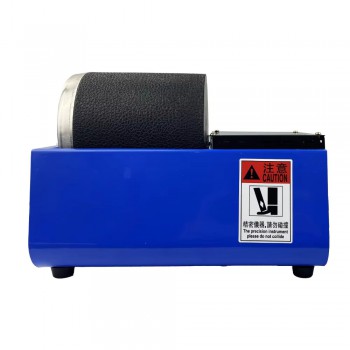
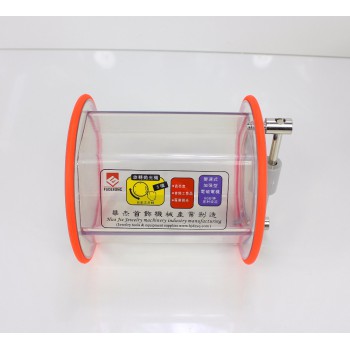
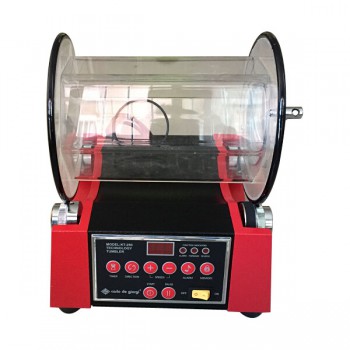
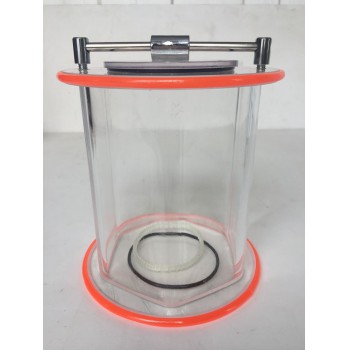
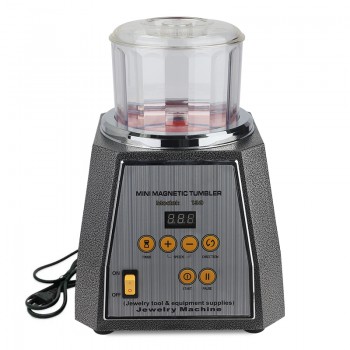
Common elements include a motor base, roller shafts, and rubber or polycarbonate barrels with leak-resistant lids. Variable speed controls appear on some models to match media action and part mass. Drum volume (e.g., 1–6 lb loads), timer functions, and quick-latch lids support predictable processing. A Jewelry Rotary Tumbler for sale may ship with starter media, sieve, and sample compounds; verify exact contents in the specification list.
Media and Process Categories (New Buyer Lens)
Cut/Deburr: Ceramic or plastic shapes for cast parts and stamped items.
Burnish: Stainless steel shot mix (pins, balls, diagonals) with burnishing compound and water.
Polish/Dry: Organic media with polishing compound for surface refinement after prior stages.
How to Choose
When selecting a Rotary Tumbler Jewelry Polisher, review:
Barrel Capacity & Quantity: Match load size and batch cadence; multiple small barrels allow separate alloys or compounds.
Barrel Material: Rubber barrels dampen noise; clear barrels allow visual checks.
Speed Control & Timer: Fixed speed suits simple runs; adjustable speed and timers aid repeatable recipes.
Media Compatibility: Confirm suitability for gold, silver, brass, or stainless items used in your shop.
Compound & Water Management: Note recommended ratios, drainage method, and rinsing steps to protect finishes.
Application Range
A Jewelry Rotary Tumbler supports sprue smooth-down on castings, edge rounding on jump rings, burnishing of chain links, and pre-finish prep before plating or stone setting. It is also applied to small hardware, watch components, and prototype parts where uniform media contact is required.
Buying Considerations
Before choosing a Jewelry Rotary Tumbler for sale, check voltage, plug type, motor duty cycle, and barrel seal design. Review availability of spare barrels, belts, and replacement lids. Confirm media grades and compound Safety Data Sheets. Plan a labeled storage system for different media to avoid cross-contamination between ferrous and non-ferrous metals.
Operation & Care (User Experience Notes)
Load barrels to recommended fill percentages to promote uniform tumbling. Record recipes (media type, speed, time, compound ratio) for traceable outcomes. After each run, rinse parts and media separately, dry barrels fully, and dispose of spent solutions according to local guidelines. These practices support process control, surface quality, and predictable turnaround.