

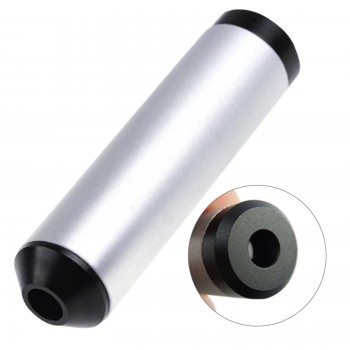
Gemstone Spectroscopes
Guide on How to Choose Gem Spectrometer
What Is a Gem Spectrometer?
A gem spectrometer is an optical instrument used to study how gemstones absorb and transmit light. It helps identify gemstones and detect treatments or synthetic origins by analyzing their light absorption spectrum. A gemstone spectroscope separates visible light into its component wavelengths, allowing gemologists to observe specific absorption lines and patterns that correspond to different elements or impurities within the gem. The gemological spectroscope is an essential tool in gemstone identification and is widely used in gem laboratories, jewelry studios, and educational settings.
Working Principle and Function
The spectrometer for gemstones works by passing white light through a gemstone and then dispersing it into its spectral components using a prism or diffraction grating. Each gemstone absorbs certain wavelengths of light due to its chemical composition and internal structure. These absorbed wavelengths appear as dark lines or bands on the visible spectrum. By comparing these absorption patterns, a gemologist can determine the gemstone’s identity or detect treatments such as dyeing or heat enhancement. A gem spectrometer allows observation of features that are not visible to the naked eye, supporting classification and quality evaluation.
Structure and Characteristics
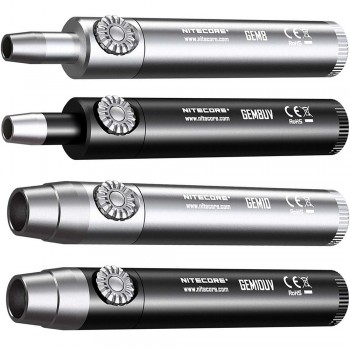
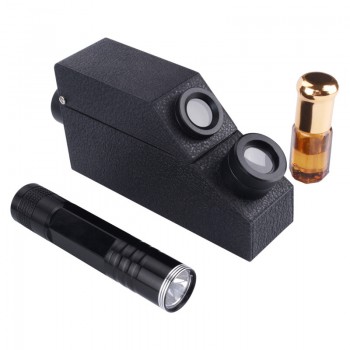
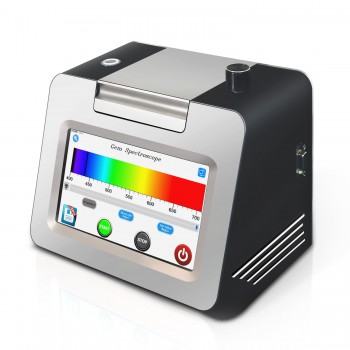
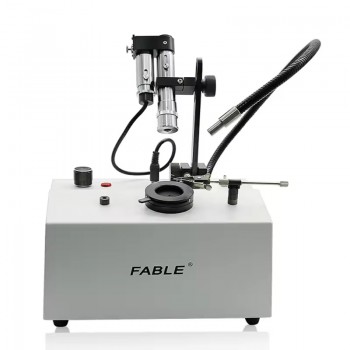
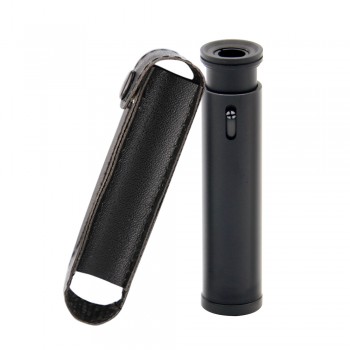
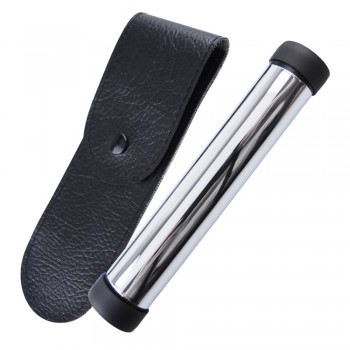
A gemstone spectroscope typically consists of a viewing tube, a prism or diffraction grating, an entrance slit, and a focusing system. Light enters through the slit and passes through the dispersive element, which splits it into a spectrum visible through the eyepiece. Some gem spectrometers use handheld designs suitable for quick inspection, while others are benchtop units designed for laboratory analysis. Portable spectroscopes may include adjustable focus and detachable light sources, while digital models use sensors to record and display spectral data on screens. The instrument’s design supports clear separation of color bands across the visible range from approximately 400 to 700 nanometers.
How to Choose the Right Gem Spectrometer?
When selecting a gem spectrometer, consider factors such as spectral resolution, light source, portability, and intended application. For field testing or jewelry workshops, a compact gemstone spectroscope can support quick visual analysis. For educational or laboratory use, a gemological spectroscope with adjustable focus and a stable viewing platform provides better control during detailed observation. It is advisable to review whether the instrument includes a built-in light source. Accessories such as gemstone holders or fiber-optic attachments can support examination of small or transparent specimens.
Purchase and Operation Considerations
Before purchasing, review manufacturer specifications for optical components, wavelength range, and included accessories. During operation, the gemstone should be illuminated with a clear, white light source positioned behind or below the stone. The operator looks through the eyepiece to observe the spectrum, adjusting focus as needed to view absorption lines clearly. Transparent stones can be tested by transmitted light, while opaque ones are examined under reflected light. For improved viewing, the spectrometer for gemstones should be used in a dim environment to reduce external reflections.
Application Areas
A gem spectrometer is widely used in gem identification, quality grading, and education. It helps distinguish between natural, synthetic, and treated gemstones by revealing absorption features characteristic of specific minerals or elements. Gemologists use gemological spectroscopes to identify stones such as ruby, sapphire, emerald, garnet, and spinel. In jewelry production, the gemstone spectroscope supports material verification before cutting, polishing, or setting. Research laboratories also use spectrometers for gemstones to analyze light interaction in mineral specimens, contributing to gemological and optical studies.