
Jewelry Micro Motor
What Is It?
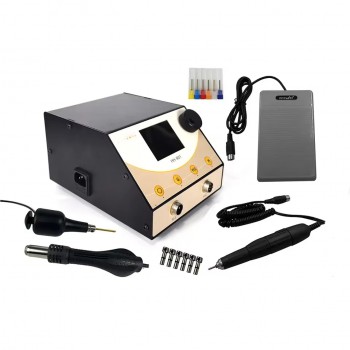
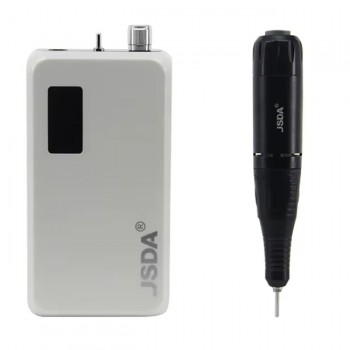
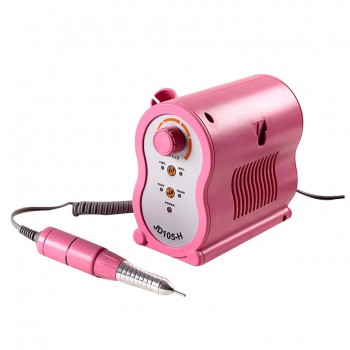
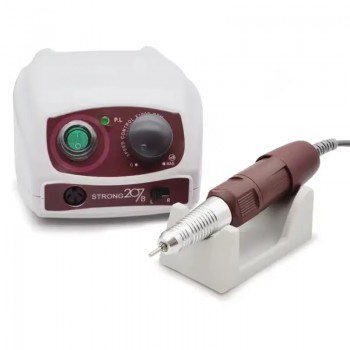
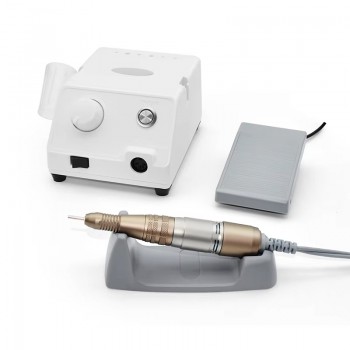
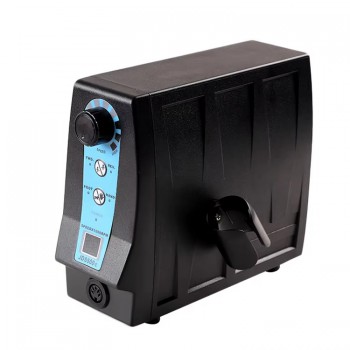
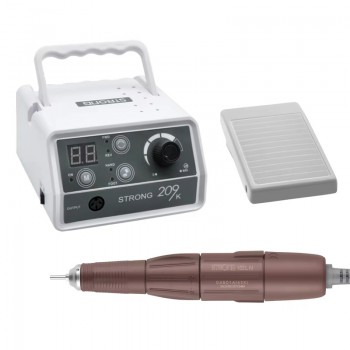
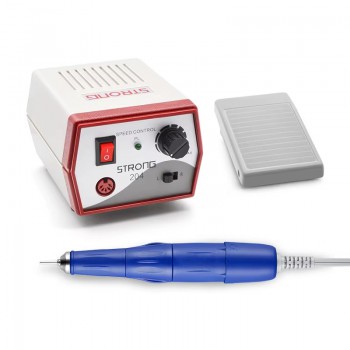
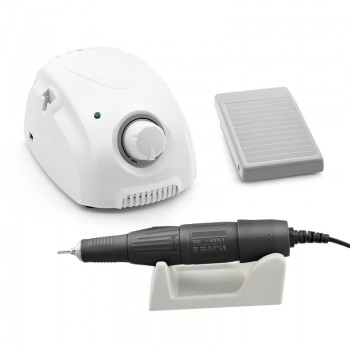
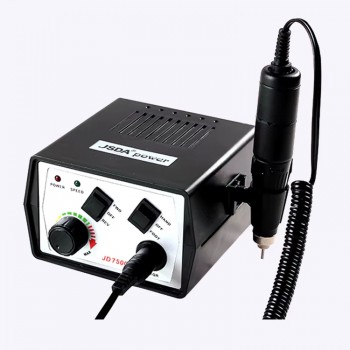
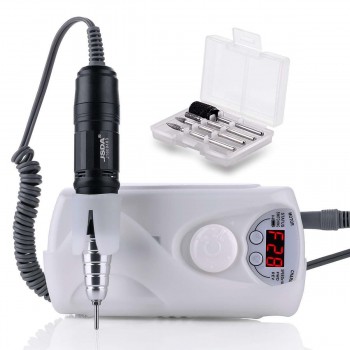
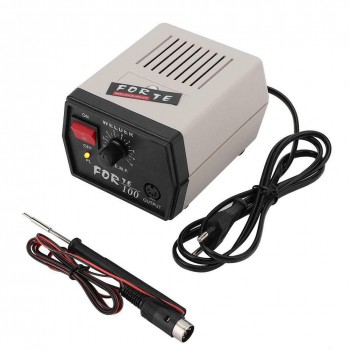
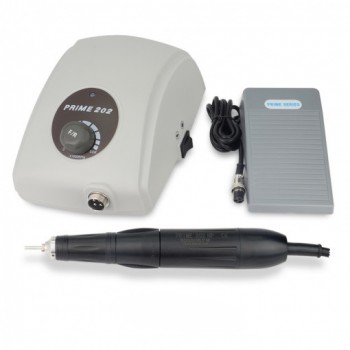
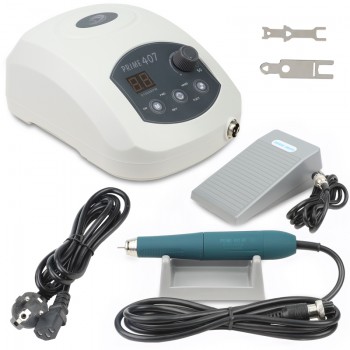
A jewelry micro motor is a compact rotary tool system used in jewelry manufacturing, repair, and finishing processes. It typically consists of a control unit, a handheld motorized handpiece, and an optional foot pedal. The system delivers controlled rotary motion to support tasks such as drilling, engraving, grinding, polishing, and deburring on small and detailed components.
Working Principle
The system operates by converting electrical energy into mechanical rotation inside the handpiece. The control unit regulates speed and power output, supplying current to the internal motor. As the spindle rotates, attached burs or tools perform material removal or surface finishing. Speed adjustment is commonly managed through a control dial or foot pedal, allowing the operator to adapt rotation speed to different materials such as metal, wax, resin, or stone.
How to Choose the Right One
When selecting a micromotor for jewelry applications, several technical parameters should be reviewed:
Speed Range: Verify that the maximum RPM matches the requirements for engraving, drilling, or polishing tasks.
Torque Output: Select a torque level suitable for the hardness and thickness of the materials being processed.
Handpiece Design: Lightweight handpieces support fine detailing, while reinforced types are intended for heavier workloads.
Control Method: Decide whether speed control via dial or foot pedal fits the intended workflow.
Power and Compatibility: Confirm voltage, plug type, and connector compatibility with the workshop setup.
Evaluating these factors helps align the equipment with daily operational needs.
Application Scope
A jewelry micromotor is used in jewelry design studios, repair workshops, and gemstone processing environments. It supports operations including carving, polishing, drilling, and surface finishing. Similar systems are also applied in laboratories, craft modeling, and small-scale metalwork, where compact size and controlled rotation are required.
Purchase Considerations
Before purchasing, review technical specifications and compatibility with existing accessories. Check the availability of replacement parts such as handpieces, chucks, or brushes if applicable. It is also advisable to examine maintenance instructions, wiring standards, and included documentation to understand setup and long-term use requirements.