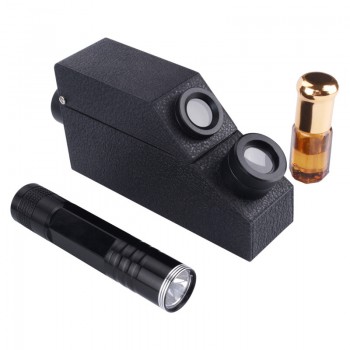

Jewelry Microscopes

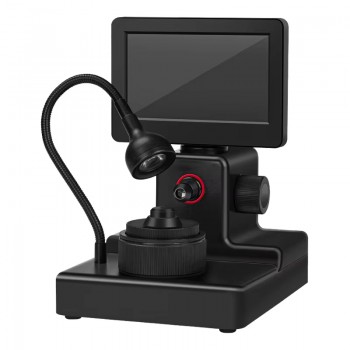
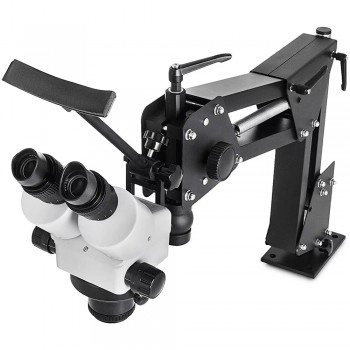
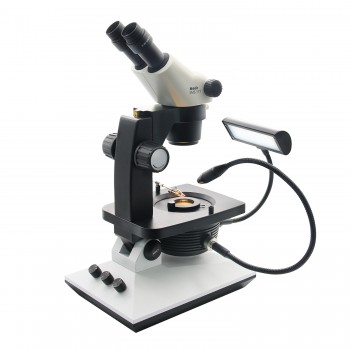
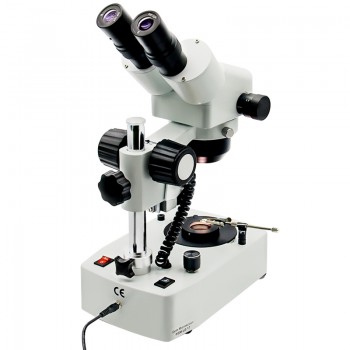
These precision optical instruments are used for inspecting, repairing, and setting gemstones. They help jewelers observe small details, such as gemstone inclusions, metal surfaces, or prong alignment. With their magnified viewing capability, they support detailed craftsmanship during jewelry making or evaluation. Designed for clarity, they allow jewelers to see structures that are difficult to view with the naked eye.

Working Principle and Function

The device operates through optical lenses that magnify an object placed under its field of view. Light is directed onto the piece from above or below, depending on the illumination type. The magnified image can be viewed through an eyepiece or on a digital display. Stereo types are commonly used in workshops because they provide a three-dimensional view, improving depth perception during stone setting or soldering. Many models include adjustable lighting and magnification controls that help enhance visual accuracy during manual operations.

Structure and Characteristics

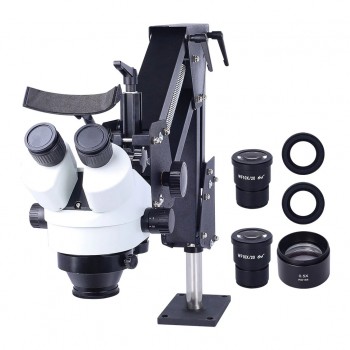
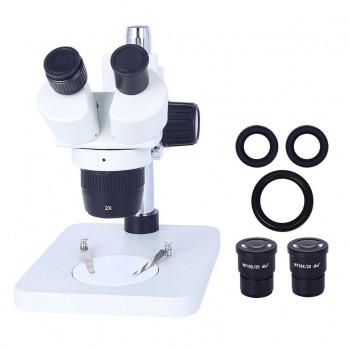
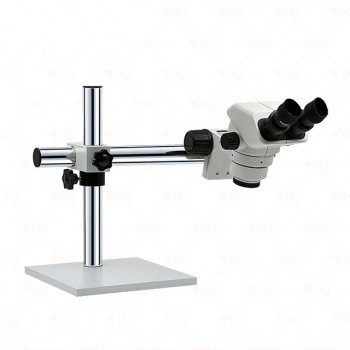
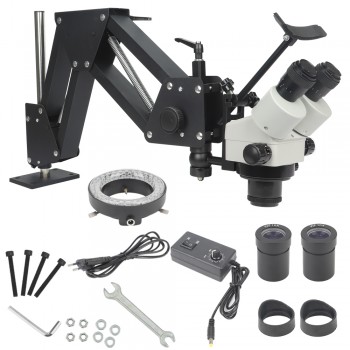
A microscope for jewelry inspection consists of an optical head, eyepieces, focus knobs, lighting system, and mounting stand. The stand allows it to be positioned above the jeweler’s bench for hands-free operation. Some handheld versions are portable and suitable for quick inspections or mobile work. Other configurations include boom-arm or pole stands for adjustable positioning during complex tasks. Illumination may use LED ring lights or fiber-optic sources for brightness. Adjustable magnification ranges generally fall between 5x and 45x for jewelry applications.

What should you consider when buying one?

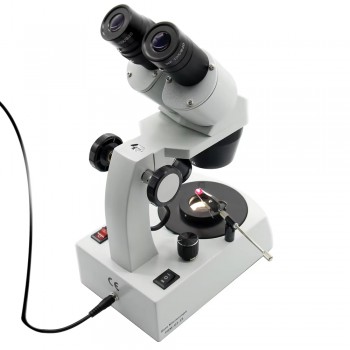
When choosing one, several factors should be evaluated: magnification range, working distance, lighting type, and mounting design. For gemstone grading or inclusion inspection, a model with adjustable magnification and bottom lighting is designed to reveal internal features. For repair or setting work, one with a long working distance allows adequate space for tools and hand movement. It is also important to review eyepiece comfort, image clarity, and stand compatibility with your workspace. Digital versions can support photography or documentation needs.

Application Areas

These jewelry microscopes can be used in gemstone grading, jewelry design, repair, and stone setting. They assist in examining inclusions, solder joints, and engraving details. In workshops, they support precision work in custom jewelry production and restoration. In gemological laboratories, they are employed to identify natural and synthetic stones. Educational and training institutions also use them for instruction in jewelry inspection and evaluation techniques.

Show More
16   25   50   75   All  
Sort By:   Latest Product   Price ASC   Price DESC